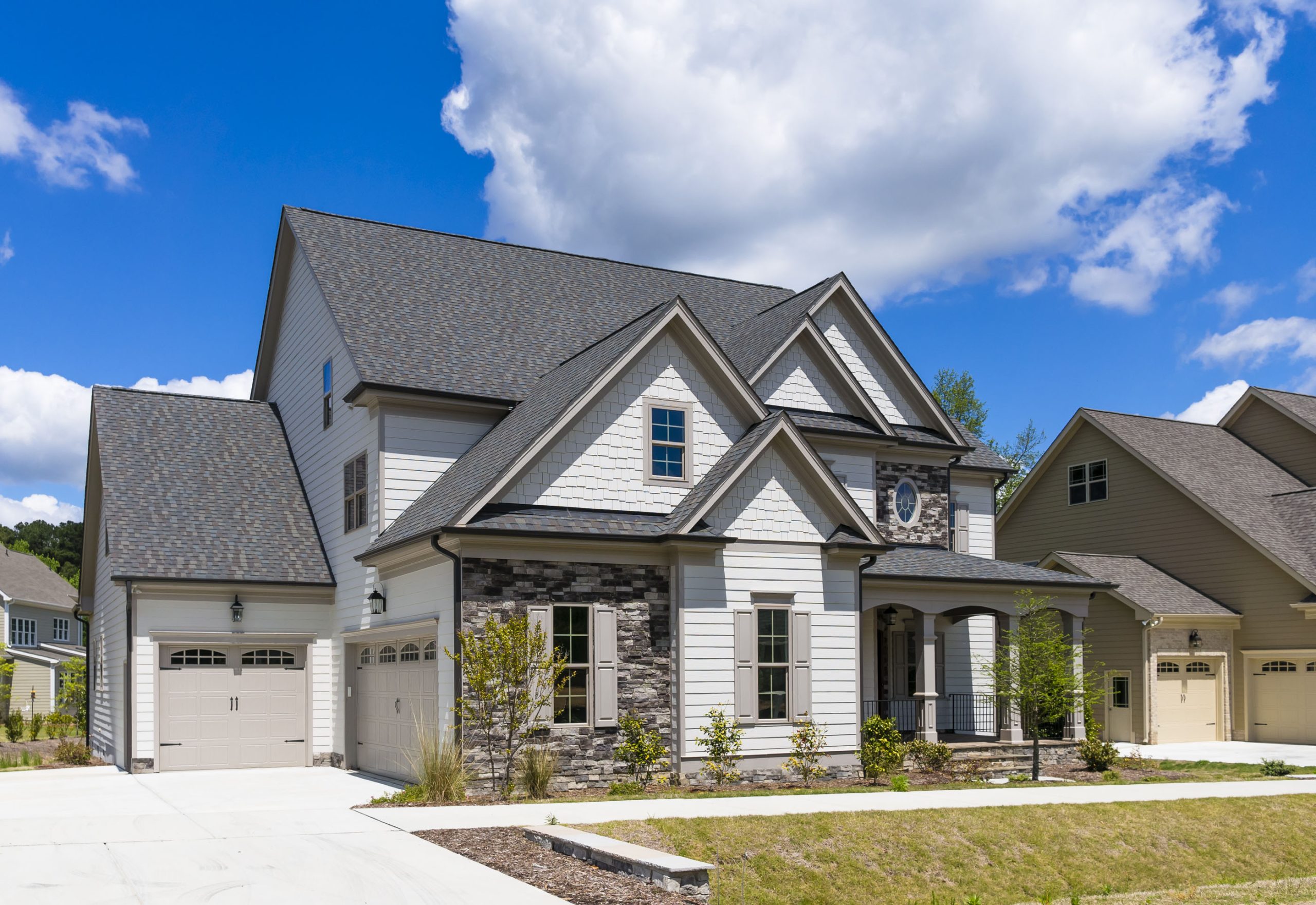
The future of residential living continues to evolve as homeowners place greater importance on comfort, efficiency, sustainability, and convenience. As expectations change, many buyers are seeking homes that support modern lifestyles while helping reduce long-term operating costs. This growing interest has made energy-conscious planning and integrated technology some of the most desirable features in today’s housing market. For families planning a move, investing in new home construction can provide opportunities to create a personalized living environment designed around both present and future needs.
Modern homes are no longer viewed simply as places to live. They are increasingly designed to improve daily routines, support environmental responsibility, and provide flexible functionality for changing household demands. According to Census.gov, privately owned housing completions reached a seasonally adjusted annual pace of 1,527,000 in January 2025, reflecting continued momentum within the housing industry and growing interest in newly built properties. As demand increases, homeowners are paying closer attention to the benefits that efficient design and smart systems can bring to a property.
Prioritizing Energy-Conscious Building Materials
One of the most valuable aspects of modern new home construction is the opportunity to select materials that improve overall energy performance. Builders now incorporate advanced insulation, durable roofing systems, energy-conscious windows, and carefully designed exterior materials that help maintain comfortable indoor temperatures throughout changing seasons.
Well-designed building envelopes can reduce unnecessary heat transfer and improve indoor comfort while lowering strain on heating and cooling systems. These construction choices can contribute to a quieter indoor environment as well, helping reduce outdoor noise and creating a more peaceful atmosphere inside the home.
Energy-conscious materials also support long-term durability. Many modern products are selected not only for appearance but also for their ability to withstand moisture, weather exposure, and general wear over time. This can help homeowners enjoy reduced maintenance concerns and better long-term property performance.
Incorporating Smart Climate Management Systems
Heating and cooling systems play a major role in everyday comfort, making climate management an essential part of modern residential planning. In many cases, new home construction allows homeowners to integrate smart climate technology directly into the original design rather than adding it later through renovations or upgrades.
Smart thermostats and connected climate systems help regulate indoor temperatures more efficiently by adapting to household habits and occupancy patterns. These systems can improve convenience by allowing homeowners to adjust settings remotely while maintaining a more balanced indoor environment throughout the day.
Modern zoning capabilities can also enhance comfort by directing heating or cooling to specific areas when needed. This allows different spaces within the home to better support varying daily activities without unnecessary energy waste.
Advanced filtration and ventilation features are becoming increasingly popular as well. These systems can help support cleaner indoor air while contributing to a healthier overall environment for residents and guests. As homeowners continue prioritizing comfort and wellness, integrated climate systems remain an important feature in contemporary residential design.
Enhancing Daily Living Through Smart Home Integration
Technology has become a major influence in residential design, and many homeowners now expect connected systems that simplify daily living. Smart home integration has transformed the way people interact with their living spaces, making convenience and efficiency central priorities in modern new home construction.
Connected lighting systems allow homeowners to control brightness, schedules, and ambiance with minimal effort. Automated controls can support comfort while also helping reduce unnecessary energy use throughout the home. Smart lighting can additionally improve security by creating the appearance of occupancy when residents are away.
Security integration is another highly valued feature. Smart doorbells, surveillance systems, remote locks, and connected alarms provide homeowners with greater awareness and peace of mind. These systems allow monitoring and communication from virtually anywhere, creating added convenience for busy households.
Voice-controlled assistants and centralized home management systems also contribute to streamlined living experiences. From managing entertainment systems to adjusting climate settings or checking security notifications, integrated technology can make everyday routines feel more organized and efficient.
Supporting Sustainability Through Efficient Design
Sustainability has become a major consideration for many families exploring residential development options. Efficient design strategies can help homeowners reduce environmental impact while creating practical and attractive living spaces that support long-term functionality.
Natural lighting is one important feature commonly prioritized in modern home layouts. Thoughtful window placement can improve brightness throughout interior spaces while reducing reliance on artificial lighting during the day. Open floor plans and strategic orientation can further support airflow and interior comfort.
Water-conscious fixtures and appliances are also commonly included in contemporary homes. Efficient plumbing systems can support responsible resource use while maintaining convenience and functionality for daily activities. Landscaping choices may additionally contribute to sustainability goals by reducing irrigation demands and supporting easier maintenance.
Solar-ready construction has become increasingly attractive for homeowners interested in renewable energy options. Even when solar systems are not installed immediately, planning for future integration during the building process can offer valuable flexibility.
Creating Flexible Spaces for Changing Lifestyles
Modern families frequently seek homes that can adapt to evolving needs over time. Flexible floor plans and multifunctional spaces have therefore become a major focus within new home construction as homeowners prioritize versatility and long-term usability.
Dedicated office areas remain highly desirable as remote and hybrid work arrangements continue influencing household routines. Quiet workspaces with integrated technology access can improve productivity while helping maintain separation between professional and personal activities.
Flexible bonus rooms can also provide significant value by accommodating hobbies, entertainment, wellness activities, or guest accommodations. As household needs shift, these adaptable spaces allow homeowners to reconfigure portions of the home without major structural changes.
Storage planning has similarly become an important feature in contemporary residential design. Organized storage solutions help maintain cleaner living environments while supporting convenience and reducing clutter throughout daily life.
Outdoor living spaces are another area receiving increased attention. Covered patios, integrated seating areas, and functional landscaping can extend usable living space while encouraging relaxation and social gatherings. Many homeowners now view outdoor environments as natural extensions of interior living areas rather than separate spaces.
This emphasis on flexibility helps ensure homes remain practical and enjoyable through different stages of life, making thoughtful design choices especially valuable for long-term satisfaction.
Increasing Long-Term Property Appeal and Value
Buyers increasingly recognize the advantages associated with homes that prioritize efficiency, technology, and modern functionality. As a result, properties featuring these elements often stand out within competitive real estate markets.
Energy-conscious features can make homes more attractive to future buyers who value lower operating expenses and environmentally responsible living. Smart systems and integrated technology may also contribute to stronger market appeal as connected living becomes more common across residential communities.
New home construction additionally provides the benefit of updated layouts, modern materials, and current building standards. Many homeowners appreciate the reduced likelihood of major repair concerns commonly associated with older properties. This can create greater confidence in long-term ownership and property maintenance expectations.
Another important consideration involves personalization. Building a home from the ground up often allows buyers to select finishes, layouts, systems, and design elements that align closely with their lifestyle preferences. This customization can contribute to a stronger emotional connection with the property while improving overall satisfaction with the final result.
As residential trends continue evolving, homes designed with efficiency and adaptability in mind are likely to remain highly desirable. Investing in modern construction can therefore support both immediate comfort and future resale potential.
As homeowners continue seeking properties that balance comfort, efficiency, convenience, and sustainability, modern residential design is evolving to meet those expectations in meaningful ways. Energy-conscious materials, integrated smart systems, flexible layouts, and efficient planning all contribute to homes that better support everyday living while preparing for future needs. Choosing new home construction allows buyers to create personalized environments designed around long-term functionality, comfort, and value. For families looking toward the future, these features can provide lasting benefits that extend well beyond aesthetics alone.
If you are ready to explore thoughtfully designed homes built around comfort, innovation, and long-term efficiency, Epic Custom Homes LLC can help us create a space that reflects our vision for modern living.